Your Ariens ZTR Turns Left But Won't Turn Right: The Hydro Belt That's Probably Glazed
Date Released: 2 Jan 2026 Category: Blog
There's something deeply frustrating about a mower that's developed a political bias. You're cruising along nicely, come to the end of a run, pull the right control lever to turn right, and... the mower just sort of ignores you. It might respond a bit, grudgingly, or it might just plough straight on like it's got somewhere important to be.
But pull the left lever? Oh, now it's interested. Sharp turn, no problem, spins like a ballet dancer. It's like having a shopping trolley with one wonky wheel, except this wonky wheel cost you several thousand pounds and is supposed to be precision engineering.
Before you start Googling "hydrostatic transmission repair costs" and watching your bank balance evaporate in your mind, let's talk about something much simpler and cheaper. Nine times out of ten, when a zero-turn mower develops this one-sided personality, it's not the transmission at all. It's a drive belt that's decided to stop gripping properly, and replacing it is considerably less painful than you might think.

Power gets from the engine to these transmissions via drive belts. If one belt is worn, stretched, or glazed, it slips. That transmission doesn't get full power, which means reduced or no drive to that wheel. One direction works fine, the other doesn't.
The frustrating thing? Everything else works perfectly. Engine fine, blades fine, other side drives beautifully. It's just one transmission not getting the grip it needs.
Glazing happens when the belt surface becomes smooth and hard from heat and friction. A glazed belt looks shiny rather than rough-textured. This smooth surface can't grip properly.
Stretching occurs over time from constant tension. A stretched belt sits deeper in the pulley grooves and doesn't make proper contact.
Oil contamination ruins belt grip instantly. Even a small amount makes it slip.
Debris build-up in pulley grooves reduces grip. Grass clippings pack into the V-grooves, making them wider and causing slippage.
Gradual loss of power in one direction. Turns that used to be sharp and responsive become sluggish and weak over weeks or months. The problem gets worse as the mower heats up. When everything's cold, it works reasonably well. After 20 minutes of mowing, one side barely works. That's classic belt glazing behaviour. You smell burning rubber occasionally, especially after aggressive manoeuvres. That's the belt slipping and generating heat from friction. Visible cracks or shiny sections on the belt if you inspect it. A healthy belt should look uniformly matte with a slightly textured surface. The mower pulls to one side when driving straight because one transmission isn't getting as much power as the other.
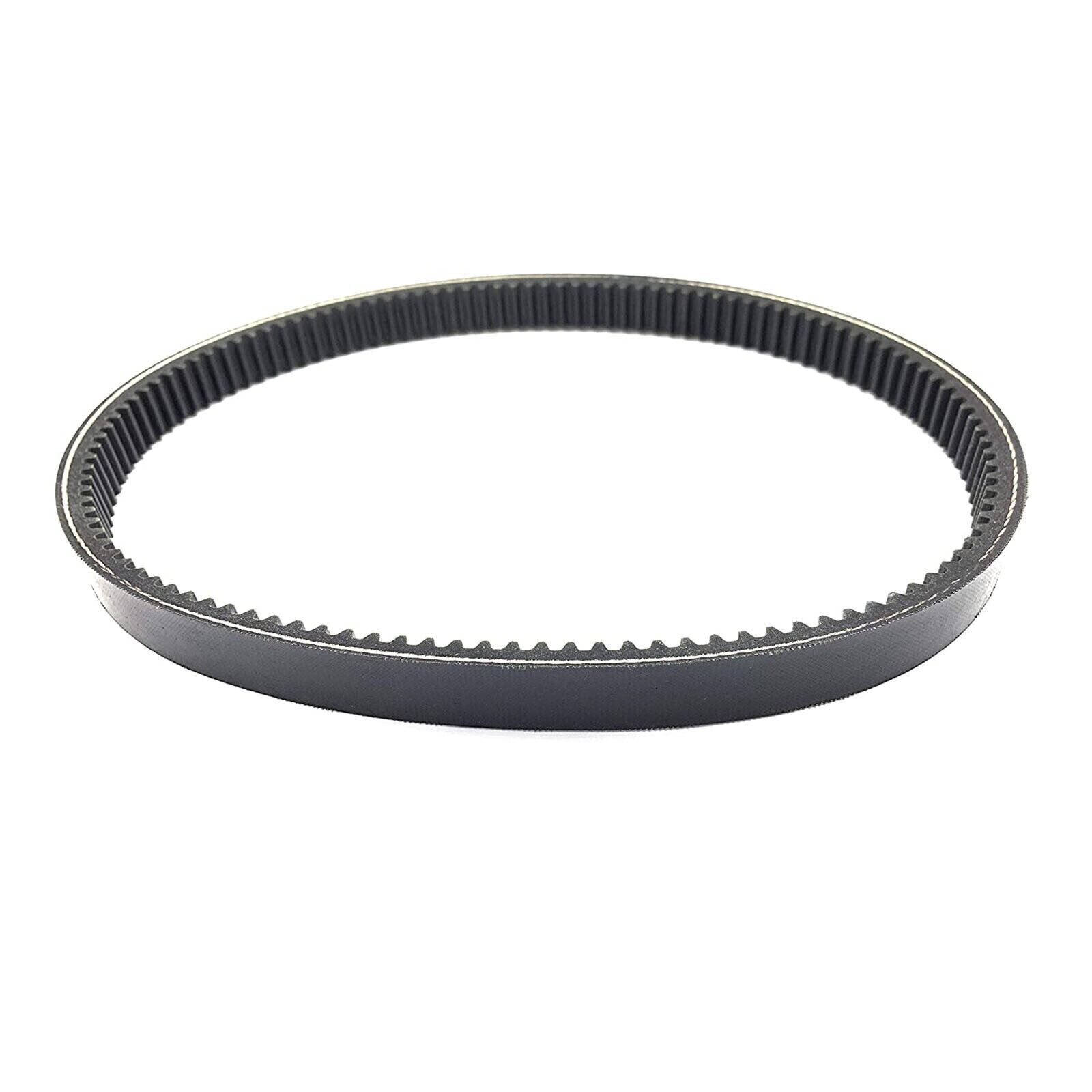
First, look for obvious wear. Remove belt covers and inspect visually. Cracks, chunks missing, glazed sections, or severe edge wear all mean replacement.
Then, check for oil contamination. If the belt feels greasy, it's contaminated and won't grip. Next, inspect the pulleys. Sometimes it's worn pulley grooves, not the belt. Pulleys should have a clean V-groove profile.
Finally, test the tension by pushing down on the belt between pulleys - minimal flex means it's good, too much means it's stretched.
Locate the belt routing diagram on your mower or in the manual. Take photos before you start. Remove any belt guards or covers that restrict access. Release the tension on the belt, usually by moving a spring-loaded idler pulley. Don't force the belt off. Remove the old belt and clean all the pulleys thoroughly with a wire brush. Remove debris from the pulley grooves. Install the new belt following your photos or routing diagram. Make sure it seats properly in all pulley grooves. Restore the tension and check the belt runs smoothly. Test before replacing covers. Run the mower and test both directions.
A hydro drive belt costs £18-35 depending on the model.
Low hydraulic oil in the transmission can also cause poor performance. So, check the level and top up. Internal transmission wear is possible on high-hour machines, though less common than belt problems. Linkage problems can prevent the control lever from fully engaging the transmission. Additionally, pulley bearing failure causes wobbling or seizing.
But nine times out of ten with one-sided poor performance, it's a worn or glazed belt.
Keep the deck clean. Grass clippings and debris cause premature wear. Check belt tension monthly during the mowing season. Avoid aggressive manoeuvres when the belt's cold. Clean the pulley grooves annually. Fix oil leaks immediately. Replace belts in pairs if your mower has separate belts for each side.
A dealer will charge £80-120 for this job, including parts and labour. DIY costs £20-35 for the belt, maybe another £5 for pulley cleaner. You'll need basic hand tools most people already have.
That's potentially £60-85 saved for a couple of hours' work.
A worn, glazed, or contaminated belt causes exactly these symptoms and costs a fraction of what transmission work would run. It's one of those problems where the simple answer is usually the right answer.
Your Ariens zero-turn was designed to be maintained by the owner. Belt replacement is specifically something you're expected to handle yourself. The engineers made it reasonably accessible precisely so you wouldn't need dealer service for routine wear items.
Give your mower the fresh belt it needs, and those sharp, responsive turns in both directions will come right back. Your lawn (and your frustration levels) will thank you.
But pull the left lever? Oh, now it's interested. Sharp turn, no problem, spins like a ballet dancer. It's like having a shopping trolley with one wonky wheel, except this wonky wheel cost you several thousand pounds and is supposed to be precision engineering.
Before you start Googling "hydrostatic transmission repair costs" and watching your bank balance evaporate in your mind, let's talk about something much simpler and cheaper. Nine times out of ten, when a zero-turn mower develops this one-sided personality, it's not the transmission at all. It's a drive belt that's decided to stop gripping properly, and replacing it is considerably less painful than you might think.
How Zero-Turn Steering Works
Your Ariens zero-turn uses two independent hydrostatic transmissions, one for each rear wheel. Pull the control levers to control them independently. Pull both forward for straight, one back and one forward to spin on the spot.Power gets from the engine to these transmissions via drive belts. If one belt is worn, stretched, or glazed, it slips. That transmission doesn't get full power, which means reduced or no drive to that wheel. One direction works fine, the other doesn't.
The frustrating thing? Everything else works perfectly. Engine fine, blades fine, other side drives beautifully. It's just one transmission not getting the grip it needs.
Why Belts Glaze and Slip
Drive belts have a tough life on zero-turns. Constantly engaging and disengaging, varying speeds, significant load from transmissions, plus exposure to grass clippings, moisture, and heat.Glazing happens when the belt surface becomes smooth and hard from heat and friction. A glazed belt looks shiny rather than rough-textured. This smooth surface can't grip properly.
Stretching occurs over time from constant tension. A stretched belt sits deeper in the pulley grooves and doesn't make proper contact.
Oil contamination ruins belt grip instantly. Even a small amount makes it slip.
Debris build-up in pulley grooves reduces grip. Grass clippings pack into the V-grooves, making them wider and causing slippage.
The Warning Signs
A failing hydro belt gives you several clues before it fails completely:Checking the Belt
Before replacing anything, confirm the belt is the problem.First, look for obvious wear. Remove belt covers and inspect visually. Cracks, chunks missing, glazed sections, or severe edge wear all mean replacement.
Then, check for oil contamination. If the belt feels greasy, it's contaminated and won't grip. Next, inspect the pulleys. Sometimes it's worn pulley grooves, not the belt. Pulleys should have a clean V-groove profile.
Finally, test the tension by pushing down on the belt between pulleys - minimal flex means it's good, too much means it's stretched.
The Replacement Process
Replacing a hydro belt requires moderate mechanical confidence but isn't complicated:A hydro drive belt costs £18-35 depending on the model.
Low hydraulic oil in the transmission can also cause poor performance. So, check the level and top up. Internal transmission wear is possible on high-hour machines, though less common than belt problems. Linkage problems can prevent the control lever from fully engaging the transmission. Additionally, pulley bearing failure causes wobbling or seizing.
But nine times out of ten with one-sided poor performance, it's a worn or glazed belt.
Preventing Premature Belt Wear
A dealer will charge £80-120 for this job, including parts and labour. DIY costs £20-35 for the belt, maybe another £5 for pulley cleaner. You'll need basic hand tools most people already have.
That's potentially £60-85 saved for a couple of hours' work.
The Bottom Line
One-sided steering problems on a zero-turn sound expensive. Hydrostatic transmissions are complex and costly to rebuild or replace. But before you start imagining expensive repairs, check the drive belt.A worn, glazed, or contaminated belt causes exactly these symptoms and costs a fraction of what transmission work would run. It's one of those problems where the simple answer is usually the right answer.
Your Ariens zero-turn was designed to be maintained by the owner. Belt replacement is specifically something you're expected to handle yourself. The engineers made it reasonably accessible precisely so you wouldn't need dealer service for routine wear items.
Give your mower the fresh belt it needs, and those sharp, responsive turns in both directions will come right back. Your lawn (and your frustration levels) will thank you.