Your Ariens Turns Left But Won't Turn Right: The Hydro Belt That's Probably Glazed
Date Released: 1 Jan 2026 Category: Blog
You're mowing along beautifully, then you need to turn right. You pull the right control lever, and... nothing. Or rather, the mower barely responds, turns sluggishly, or just goes straight. Pull the left lever though, and it spins on a sixpence like it's supposed to.
Before you start worrying about expensive transmission problems or seized hydrostatic systems, let's talk about drive belts. Specifically, the hydrostatic drive belt that's probably glazed, worn, or slipping on one side of your Ariens zero-turn.
Power gets from the engine to these transmissions via drive belts. If one belt is worn, stretched, or glazed, it starts slipping. The transmission on that side doesn't get full power, which means reduced or no drive to that wheel. Hence, turns in one direction work fine while turns in the other don't.
The frustrating thing is that everything else works perfectly. The engine runs fine, the blades engage, the other side drives beautifully. It's just that one transmission not getting the grip it needs from a worn belt.
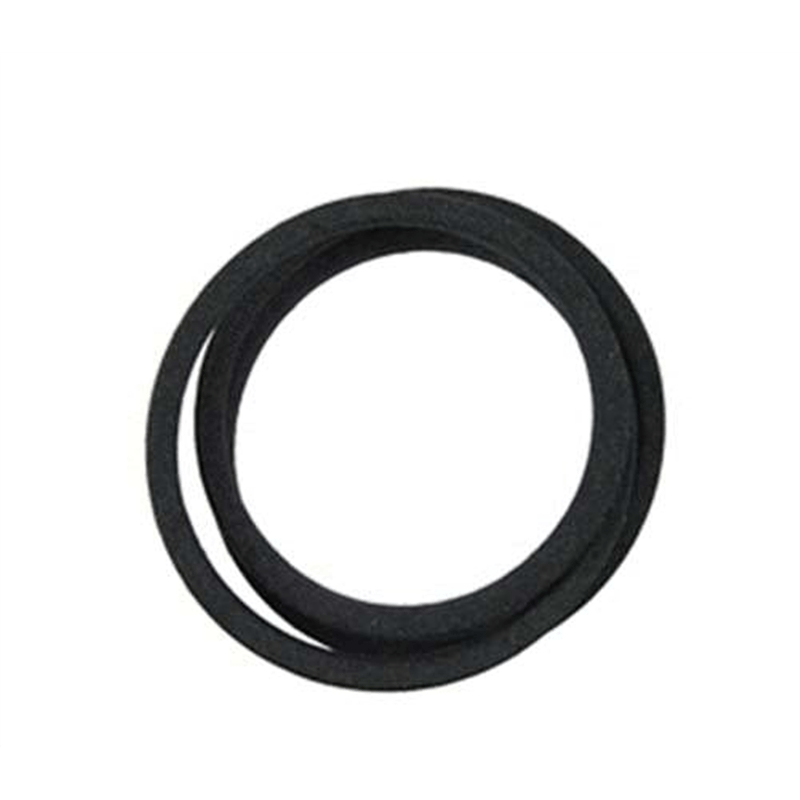 Drive belts have a tough life on a zero-turn mower. They're constantly engaging and disengaging, running at varying speeds, dealing with the significant load from the hydrostatic transmissions, and exposed to grass clippings, moisture, and heat.
Glazing happens when the belt surface becomes smooth and hard from heat and friction. A glazed belt looks shiny rather than having the slightly rough texture it should have. This smooth surface can't grip the pulleys properly, especially under load.
Stretching occurs over time from constant tension and use. A stretched belt sits deeper in the pulley grooves and doesn't make proper contact with the pulley sides where the grip happens.
Oil contamination ruins belt grip instantly. Even a small amount of oil or grease on a belt makes it slip. If you've been dealing with any oil leaks near the drive system, the belt might be contaminated rather than worn.
Debris build-up in the pulley grooves reduces the effective grip. Grass clippings and dirt pack into the V-grooves of the pulleys, making them effectively wider and causing the belt to slip.
Gradual loss of power in one direction: Turns that used to be sharp and responsive become sluggish and weak over a period of weeks or months. The problem gets worse as the mower heats up: When everything's cold, it works reasonably well. After 20 minutes of mowing, one side barely works. That's classic belt glazing behaviour. You smell burning rubber occasionally, especially after aggressive manoeuvres: That's the belt slipping and generating heat from friction.
Visible cracks or shiny sections on the belt if you inspect it. A healthy belt should look uniformly matte, with a slightly textured surface.
The mower pulls to one side when driving straight, because one transmission isn't getting as much power as the other.
Look for obvious wear: Remove the belt covers (if fitted) and inspect the belt visually. Cracks, chunks missing, glazed sections, or severe wear on the edges all mean replacement. Check for oil contamination: If the belt feels greasy or slippery, it's contaminated. Even if it looks fine otherwise, contaminated belts don't grip properly. Inspect the pulleys: Sometimes the problem isn't the belt at all but worn pulley grooves. The pulleys should have a clean V-groove profile, not rounded or worn flat. Test the tension: Push down on the belt between pulleys. It should have minimal flex, maybe 10-15mm of movement. Too much flex means it's stretched and not maintaining proper contact.
If you find the belt is glazed, stretched, or contaminated, replacement is the answer.
Locate the belt routing diagram on your mower or in the manual. Hydro belt routing can be complex, and you need to know where it goes. Then, remove any belt guards or covers that restrict access. Take photos as you go to remember what goes where.
 Release the tension on the belt, usually by moving a spring-loaded idler pulley or loosening an adjustment. Don't try to force the belt off without releasing tension.
Note the belt routing carefully. Take more photos, because getting the new belt on wrong will cause immediate problems. Remove the old belt and clean all the pulleys thoroughly. Use a wire brush to remove any debris from the pulley grooves. This is important.
Install the new belt following your photos or the routing diagram. Make sure it seats properly in all pulley grooves. Restore the tension and check the belt runs smoothly and doesn't rub on anything.
Test before you replace all the covers. Run the mower and test both directions. If there are problems, it's much easier to fix with the covers still off.
A hydro drive belt for an Ariens zero-turn costs £18 to £35 depending on the model. Get the correct belt for your specific machine, as they vary significantly.
Low hydraulic oil in the hydrostatic transmission can cause poor performance. Check the level and top up if needed. Internal transmission wear is possible on high-hour machines, though this is less common than belt problems. If you replace the belt and the problem persists, the transmission might need attention. Linkage problems can prevent the control lever from fully engaging the transmission, making it feel like a power problem when it's actually a control issue. Pulley bearing failure causes the pulley to wobble or seize, which looks like a slipping belt but is actually a failed bearing.
But genuinely, nine times out of ten with one-sided poor performance on a zero-turn, it's a worn or glazed belt.
Keep the deck clean: Grass clippings and debris that fall onto the belt and pulleys cause premature wear and contamination. Check belt tension monthly during the mowing season: A slightly loose belt slips and glazes quickly. Avoid aggressive manoeuvres when the belt's cold: Let everything warm up before doing aggressive zero-point turns. Clean the pulley grooves annually: Built-up debris reduces belt life significantly. Fix oil leaks immediately: Any oil contact with the belt will cause slipping and require belt replacement. Replace belts in pairs if your mower has separate belts for each side: If one's worn, the other probably isn't far behind, and mismatched belts cause handling issues.
Doing it yourself costs £20-35 for the belt, maybe another £5 for pulley cleaner or a wire brush if you don't have one. You'll need basic hand tools (spanners, sockets) that most people already have.
That's potentially £60-85 saved for a couple of hours' work. Even if you take twice as long as a professional would, it's still worth doing yourself.
A worn, glazed, or contaminated belt causes exactly these symptoms and costs a fraction of what transmission work would run. It's one of those problems where the simple answer is usually the right answer.
Your Ariens zero-turn was designed to be maintained by the owner. Belt replacement is specifically something you're expected to handle yourself. The engineers made it reasonably accessible precisely so you wouldn't need dealer service for routine wear items.
Give your mower the fresh belt it needs, and those sharp, responsive turns in both directions will come right back. Your lawn (and your frustration levels) will thank you.
Before you start worrying about expensive transmission problems or seized hydrostatic systems, let's talk about drive belts. Specifically, the hydrostatic drive belt that's probably glazed, worn, or slipping on one side of your Ariens zero-turn.
How Zero-Turn Steering Actually Works
Your Ariens zero-turn uses two independent hydrostatic transmissions, one for each rear wheel. When you pull the control levers, you're controlling these transmissions independently. Pull them both forward and you go straight. Pull one back and one forward, and you spin on the spot. It's brilliantly simple and incredibly effective.Power gets from the engine to these transmissions via drive belts. If one belt is worn, stretched, or glazed, it starts slipping. The transmission on that side doesn't get full power, which means reduced or no drive to that wheel. Hence, turns in one direction work fine while turns in the other don't.
The frustrating thing is that everything else works perfectly. The engine runs fine, the blades engage, the other side drives beautifully. It's just that one transmission not getting the grip it needs from a worn belt.
Why Belts Glaze and Slip
Glazing happens when the belt surface becomes smooth and hard from heat and friction. A glazed belt looks shiny rather than having the slightly rough texture it should have. This smooth surface can't grip the pulleys properly, especially under load.
Stretching occurs over time from constant tension and use. A stretched belt sits deeper in the pulley grooves and doesn't make proper contact with the pulley sides where the grip happens.
Oil contamination ruins belt grip instantly. Even a small amount of oil or grease on a belt makes it slip. If you've been dealing with any oil leaks near the drive system, the belt might be contaminated rather than worn.
Debris build-up in the pulley grooves reduces the effective grip. Grass clippings and dirt pack into the V-grooves of the pulleys, making them effectively wider and causing the belt to slip.
The Warning Signs
A failing hydro belt gives you several clues before it fails completely:Visible cracks or shiny sections on the belt if you inspect it. A healthy belt should look uniformly matte, with a slightly textured surface.
The mower pulls to one side when driving straight, because one transmission isn't getting as much power as the other.
Checking the Belt
Before replacing anything, confirm the belt is actually the problem:If you find the belt is glazed, stretched, or contaminated, replacement is the answer.
The Replacement Process
Replacing a hydro belt on an Ariens zero-turn requires moderate mechanical confidence but isn't complicated:Locate the belt routing diagram on your mower or in the manual. Hydro belt routing can be complex, and you need to know where it goes. Then, remove any belt guards or covers that restrict access. Take photos as you go to remember what goes where.
Note the belt routing carefully. Take more photos, because getting the new belt on wrong will cause immediate problems. Remove the old belt and clean all the pulleys thoroughly. Use a wire brush to remove any debris from the pulley grooves. This is important.
Install the new belt following your photos or the routing diagram. Make sure it seats properly in all pulley grooves. Restore the tension and check the belt runs smoothly and doesn't rub on anything.
Test before you replace all the covers. Run the mower and test both directions. If there are problems, it's much easier to fix with the covers still off.
A hydro drive belt for an Ariens zero-turn costs £18 to £35 depending on the model. Get the correct belt for your specific machine, as they vary significantly.
When It's Not the Belt
Occasionally, turning problems have other causes:But genuinely, nine times out of ten with one-sided poor performance on a zero-turn, it's a worn or glazed belt.
Preventing Premature Belt Wear
Once you've replaced the belt, make it last:The Cost Comparison
Taking a zero-turn to a dealer for a drive belt replacement will cost £80-120 typically, including parts and labour.Doing it yourself costs £20-35 for the belt, maybe another £5 for pulley cleaner or a wire brush if you don't have one. You'll need basic hand tools (spanners, sockets) that most people already have.
That's potentially £60-85 saved for a couple of hours' work. Even if you take twice as long as a professional would, it's still worth doing yourself.
The Final Thought
One-sided steering problems on a zero-turn mower sound expensive. Hydrostatic transmissions are complex and costly to rebuild or replace. But before you start googling transmission repair costs, check the drive belt.A worn, glazed, or contaminated belt causes exactly these symptoms and costs a fraction of what transmission work would run. It's one of those problems where the simple answer is usually the right answer.
Your Ariens zero-turn was designed to be maintained by the owner. Belt replacement is specifically something you're expected to handle yourself. The engineers made it reasonably accessible precisely so you wouldn't need dealer service for routine wear items.
Give your mower the fresh belt it needs, and those sharp, responsive turns in both directions will come right back. Your lawn (and your frustration levels) will thank you.