Your Ariens Cuts Grass But Won't Go Uphill? Here's the One Belt You Need to Check
Date Released: 24 Dec 2025 Category: Blog
Your Ariens mower is cutting beautifully. The deck's doing its job, the engine's running strong, and on flat ground everything feels perfect. Then you approach that slope at the side of your garden—the same slope you've been cutting all season—and suddenly your mower struggles. The wheels are turning, but it's like the drive has gone weak. You're having to push harder than you should.
Or maybe you've noticed the self-propel isn't as enthusiastic as it used to be. On the flat, it's okay, but ask it to do any real work and it feels anaemic. You're pushing more than being pulled.
Before you start worrying about transmission problems or expensive repairs, there's one component you need to check. It takes two minutes, requires no tools, and it's the culprit in about 80% of the "lost power" complaints we see with Ariens walk-behind mowers.
The drive belt.
Not the deck belt that spins the blades—that one's usually obvious when it fails because you stop cutting grass. We're talking about the drive belt that connects your engine's power to the wheels. When this belt wears out, you get exactly the symptoms you're experiencing: the mower runs fine, cuts perfectly, but has lost its guts when you need power to the wheels.
Let's talk about why this happens, how to check it yourself, and what you need to do about it.
Your Ariens drive belt is essentially a flexible power transmission system. The engine pulley spins at high speed, the belt grips it, and that rotation is transferred through the belt to the transmission pulley, which ultimately drives your wheels. When the belt is new and tight, this system is remarkably efficient. You get strong, confident drive, and that slope in your garden is no problem at all.
But belts don't stay new. Every hour of use gradually wears them down through friction, heat, and mechanical stress. The rubber compounds harden. The belt stretches slightly. The V-shaped profile that grips the pulleys wears flatter. And critically, the belt gets glazed—its surface becomes smooth and shiny, losing the grippy texture that makes it effective.
Here's where it gets interesting: a worn belt will often work fine under light loads. On flat ground, it has enough grip to turn the wheels adequately. You might not even notice there's a problem. But the moment you ask for serious power—climbing a slope, going through thick grass, or pulling the mower uphill—the belt starts slipping.
When a belt slips, you get all the symptoms you've been experiencing:
Reduced power to the wheels despite the engine running at full speed The mower feels like it's struggling on inclines it used to handle easily Self-propel seems weak or inconsistent You might occasionally smell burning rubber (that's the belt slipping and generating heat) In severe cases, you'll see smoke coming from under the mower The drive might work for a few seconds then fade under load
The frustrating part? The mower still cuts grass perfectly. The engine sounds fine. Everything looks normal. It's just mysteriously lost its drive power, and many owners assume there's something wrong with the transmission or gearbox. They're bracing themselves for an expensive repair when actually, they need a £20 belt.
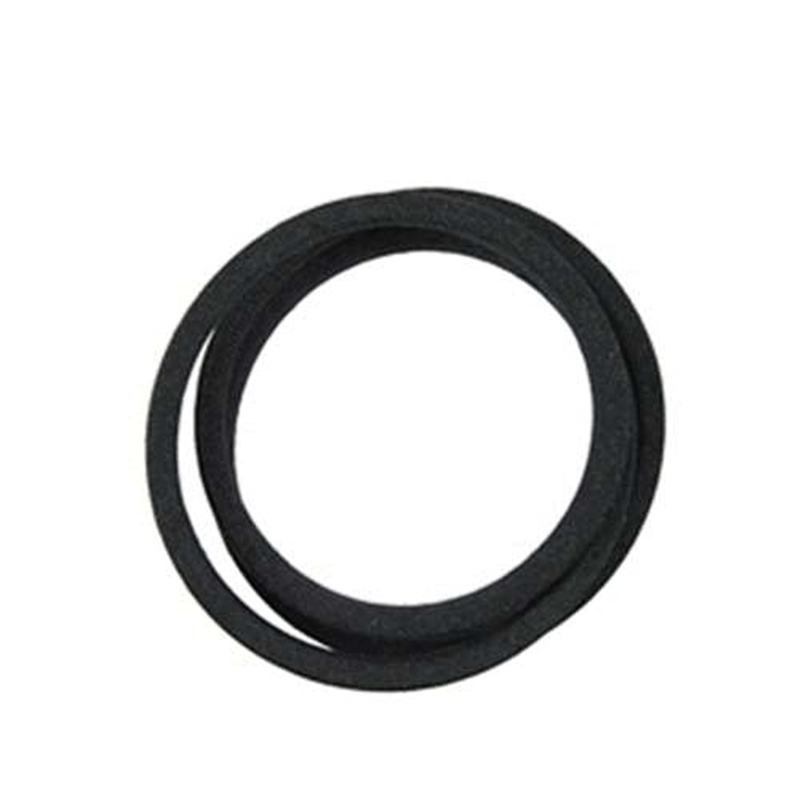
Step 1: Safety First
Disconnect the spark plug lead. This takes five seconds and guarantees the engine can't start while you're poking around underneath. It's a simple safety step that could prevent a nasty injury.
Step 2: Tilt and Look
Carefully tilt your Ariens mower onto its side (air filter side up—never tilt with the air filter facing down, as oil can drain into it). You'll now see the underside of the mower, including the drive belt.
On most Ariens walk-behinds, the drive belt runs from a pulley at the engine down to the transmission. It's separate from the deck belt system.
Step 3: The Visual Inspection
Look at the belt carefully. Here's what you're checking for:
Cracks: Run your eye along the entire length of the belt, particularly on the inside surfaces. Small surface cracks aren't necessarily critical, but if you see deep cracks or chunks missing, the belt is overdue for replacement. Glazing: This is the big one. Touch the belt's surface. Does it feel smooth and shiny, almost glassy? That's glazing, and it's your smoking gun. A glazed belt has lost its grip. It might look fine, but it's slipping under load. Fraying: Check the edges. If the belt is frayed or looks fuzzy around the edges, it's breaking down. Width: Compare the width of your belt to a new one if possible. Worn belts actually get narrower as the material wears away. If your belt looks noticeably thinner than it should, it's worn. Tension: Push on the belt between pulleys. It should have some give but feel reasonably taut. If it's very loose and you can push it a long way, it's stretched. Sitting in Pulleys: Look at how the belt sits in the pulley grooves. It should sit down into the V of the pulley. If it's riding high or sitting on top of the pulley, it's worn and stretched.
If you spot any of these issues, particularly glazing or the belt riding high in the pulleys, you've found your problem.
On level ground, the transmission doesn't need to work particularly hard. The mower's moving under minimal resistance, and even a worn, slipping belt can usually transfer enough power to keep you going. There's some margin for error.
But on a slope, everything changes. Now the transmission has to not only propel the mower forward but also lift its entire weight up the incline. The engine pulley is still spinning at the same speed, but far more torque is required at the wheels. The belt has to grip harder and transmit significantly more force.
A worn belt simply can't do it. The moment the load increases, the belt starts slipping against the pulleys. The engine spins, the belt slides, and very little power makes it to the wheels. You feel this immediately as loss of drive.
It's a bit like the difference between walking on a flat pavement (easy, even in smooth-soled shoes) versus climbing a muddy hill (suddenly, you need grip, and smooth soles just slip). Your belt's experiencing the same issue—adequate in easy conditions, useless when things get demanding.
This is also why the problem often develops gradually. The belt doesn't snap one day and stop working entirely. Instead, it wears slowly over months, becoming progressively less effective under load. You might not notice on your flat back lawn. But that slope you cut every week? It'll tell you loud and clear when your belt is past its best.
When a belt slips, it generates heat through friction. That heat accelerates wear on the belt itself, but it also damages the pulleys. We've seen pulleys with glazed, heat-hardened surfaces caused by months of slipping belts. Once the pulley surface is damaged, even a new belt won't grip properly.
A new drive belt for an Ariens mower: £15-25 depending on model. A new pulley because the old one's been heat-damaged: £30-50. Labour to fit both if you can't do it yourself: £40-60.
You can see how a £20 belt replacement becomes a £100+ repair if you leave it too long.
There's also the safety aspect. A mower that loses drive on a slope can be dangerous. If you're on a steep incline and the drive cuts out, you're suddenly supporting the full weight of the machine. On a really steep slope, that could lead to loss of control. And let's be honest about the frustration factor. Mowing is enough work without having to wrestle a reluctant mower up every incline in your garden. Life's too short for that.

For the DIYers:
If you're reasonably handy, replacing an Ariens drive belt is a straightforward job. You'll need:
The correct replacement belt for your model (more on this in a moment), basic hand tools (spanners, socket set), and about 30 minutes.
The exact procedure varies by model, but the general process is:
Disconnect the spark plug lead (again, safety first) Remove the mower deck if needed for access Release the belt from the pulleys (usually involves loosening an idler pulley or releasing belt keepers) Route the new belt around the pulleys following the same path as the old one Ensure the belt is seated properly in all pulley grooves Adjust tension if there's an adjustment mechanism Reinstall any components you removed Test before mowing
Many Ariens models have a belt diagram on the mower itself showing the correct routing. If yours doesn't, take a photo of the old belt's path before removing it.
For Everyone Else:
If spanners aren't your thing, any decent repair shop can fit a new belt in 20 minutes. Expect to pay £40-60 for labour, plus the belt itself. Book it in during the early or late season when shops are quieter, and you'll usually get it done same-day.
Using the wrong belt leads to several problems:
Incorrect length means improper tension (too loose and it slips, too tight and it wears prematurely) Wrong width means it won't sit properly in the pulley grooves Incorrect profile means poor grip and rapid wear Non-genuine belts may use inferior materials that don't last
You need three pieces of information to get the right belt: Your mower's model number (usually on a sticker on the deck), the serial number, and the specific belt you need (drive belt, not deck belt).
With this information, we can supply the exact belt Ariens designed for your machine. Genuine Ariens belts are engineered specifically for the loads, speeds, and operating conditions their mowers experience. They're heat-resistant, designed to resist stretching, and manufactured to precise tolerances.
Yes, you can find cheaper alternatives. Some are perfectly adequate. Others are false economy—they might cost £8 instead of £20, but they'll be glazed and slipping within half the lifespan of a genuine belt.
If you've fitted a new belt and still have problems, check:
Pulley Wear: The pulleys themselves can wear, particularly if a slipping belt has been running for months. Look for shiny, glazed surfaces, or grooves that have become shallow and worn. Worn pulleys won't grip even a new belt properly. Transmission Issues: If the belt's fine and the pulleys look good, the problem might be internal to the transmission. This is significantly more serious and usually needs professional attention. Wheel Drive Pins: On some models, the wheels are connected to the transmission via shear pins or drive pins. If these are worn or broken, you'll get symptoms similar to belt slip. Check that the wheels are positively engaging with the drive. Cable Adjustment: The drive engagement cable might need adjustment. If it's not pulling the idler pulley tight enough, even a good belt won't have proper tension. Deck Interference: Occasionally, a bent deck or misaligned component can cause the belt to bind or run at the wrong angle, reducing efficiency.
But honestly? Start with the belt. It's the most common culprit by far, it's cheap, and it's easy to check. Nine times out of ten, you'll find your answer there.
How often you mow How large your lawn is How many slopes you tackle Whether you mow in wet or dusty conditions How well you maintain the mower overall
As a general rule, expect to replace your drive belt every 2-3 seasons with typical homeowner use. If you're mowing commercially or have a very large, hilly property, you might need annual replacement.
The key is to check it regularly—say, at the start and middle of each season. That two-minute visual inspection we described earlier should be part of your routine maintenance. Catch the wear early, before the belt fails completely or damages the pulleys, and you'll save yourself money and hassle.
Keep It Clean: Grass clippings, mud, and debris can work their way into the belt and pulley system, accelerating wear. Clean under your mower regularly—particularly after mowing wet grass. Check Tension: Many mowers have a spring-loaded idler pulley that maintains belt tension automatically. Make sure this mechanism moves freely and isn't seized or weak. Avoid Excessive Load: If you're trying to mow grass that's extremely long or thick, you're putting maximum stress on the drive system. Cut high grass in stages rather than trying to take it all off in one pass. Store Properly: If you're storing your mower for winter, release any tension adjusters if your model has them. This stops the belt being under constant stress during storage. Replace on Schedule: Once a belt shows wear, replace it promptly. A worn belt causes more damage the longer you leave it.
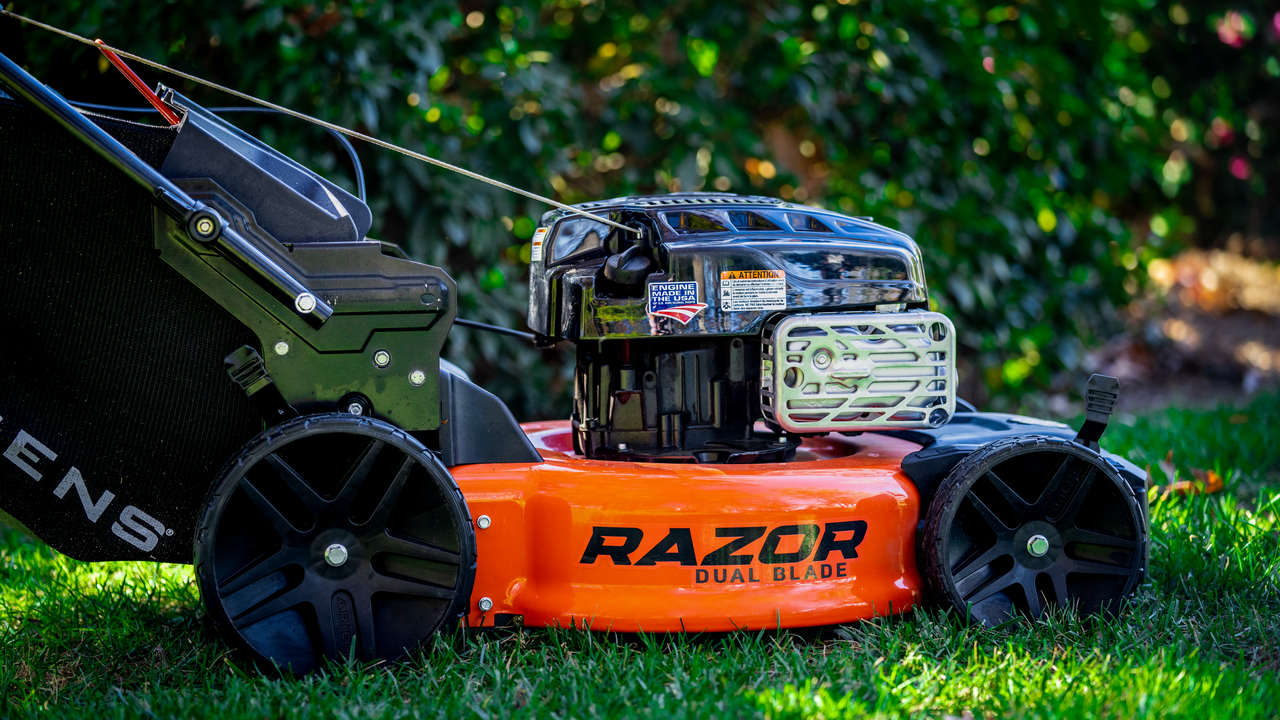
That two-minute visual check—tilt, look, assess—will tell you everything you need to know. If the belt's glazed, cracked, or worn, replacement is straightforward and affordable. Ignore it, and you risk damaging expensive pulleys or suffering an unexpected failure mid-mow.
Your Ariens is built to handle serious work, including slopes that would challenge lesser machines. But it can only do its job if the drive belt is doing its job. That belt is your power delivery system, and keeping it in good condition means the difference between a mower that tackles hills with confidence and one you're dragging up every incline.
Check your belt. If it's worn, replace it. Your back will thank you, your mower will thank you, and those slopes will go back to being just another part of the lawn, not a twice-weekly ordeal.
Or maybe you've noticed the self-propel isn't as enthusiastic as it used to be. On the flat, it's okay, but ask it to do any real work and it feels anaemic. You're pushing more than being pulled.
Before you start worrying about transmission problems or expensive repairs, there's one component you need to check. It takes two minutes, requires no tools, and it's the culprit in about 80% of the "lost power" complaints we see with Ariens walk-behind mowers.
The drive belt.
Not the deck belt that spins the blades—that one's usually obvious when it fails because you stop cutting grass. We're talking about the drive belt that connects your engine's power to the wheels. When this belt wears out, you get exactly the symptoms you're experiencing: the mower runs fine, cuts perfectly, but has lost its guts when you need power to the wheels.
Let's talk about why this happens, how to check it yourself, and what you need to do about it.
Why Drive Belts Are the First Thing to Suspect
Here's the thing about drive belts: they're a wear item. Not "might wear out eventually" but "absolutely will wear out with normal use." It's not a question of if, but when.Your Ariens drive belt is essentially a flexible power transmission system. The engine pulley spins at high speed, the belt grips it, and that rotation is transferred through the belt to the transmission pulley, which ultimately drives your wheels. When the belt is new and tight, this system is remarkably efficient. You get strong, confident drive, and that slope in your garden is no problem at all.
But belts don't stay new. Every hour of use gradually wears them down through friction, heat, and mechanical stress. The rubber compounds harden. The belt stretches slightly. The V-shaped profile that grips the pulleys wears flatter. And critically, the belt gets glazed—its surface becomes smooth and shiny, losing the grippy texture that makes it effective.
Here's where it gets interesting: a worn belt will often work fine under light loads. On flat ground, it has enough grip to turn the wheels adequately. You might not even notice there's a problem. But the moment you ask for serious power—climbing a slope, going through thick grass, or pulling the mower uphill—the belt starts slipping.
When a belt slips, you get all the symptoms you've been experiencing:
The frustrating part? The mower still cuts grass perfectly. The engine sounds fine. Everything looks normal. It's just mysteriously lost its drive power, and many owners assume there's something wrong with the transmission or gearbox. They're bracing themselves for an expensive repair when actually, they need a £20 belt.
The Two-Minute Visual Check Anyone Can Do
You don't need mechanical expertise to check your drive belt. You don't even need tools for the initial inspection. Here's what to do:Step 1: Safety First
Disconnect the spark plug lead. This takes five seconds and guarantees the engine can't start while you're poking around underneath. It's a simple safety step that could prevent a nasty injury.
Step 2: Tilt and Look
Carefully tilt your Ariens mower onto its side (air filter side up—never tilt with the air filter facing down, as oil can drain into it). You'll now see the underside of the mower, including the drive belt.
On most Ariens walk-behinds, the drive belt runs from a pulley at the engine down to the transmission. It's separate from the deck belt system.
Step 3: The Visual Inspection
Look at the belt carefully. Here's what you're checking for:
If you spot any of these issues, particularly glazing or the belt riding high in the pulleys, you've found your problem.
Why Slopes Show Up Belt Problems First
You might be wondering why your belt seemed fine on flat ground but fails on slopes. It's all about load and grip.On level ground, the transmission doesn't need to work particularly hard. The mower's moving under minimal resistance, and even a worn, slipping belt can usually transfer enough power to keep you going. There's some margin for error.
But on a slope, everything changes. Now the transmission has to not only propel the mower forward but also lift its entire weight up the incline. The engine pulley is still spinning at the same speed, but far more torque is required at the wheels. The belt has to grip harder and transmit significantly more force.
A worn belt simply can't do it. The moment the load increases, the belt starts slipping against the pulleys. The engine spins, the belt slides, and very little power makes it to the wheels. You feel this immediately as loss of drive.
It's a bit like the difference between walking on a flat pavement (easy, even in smooth-soled shoes) versus climbing a muddy hill (suddenly, you need grip, and smooth soles just slip). Your belt's experiencing the same issue—adequate in easy conditions, useless when things get demanding.
This is also why the problem often develops gradually. The belt doesn't snap one day and stop working entirely. Instead, it wears slowly over months, becoming progressively less effective under load. You might not notice on your flat back lawn. But that slope you cut every week? It'll tell you loud and clear when your belt is past its best.
The Real Cost of Ignoring a Worn Belt
Some people discover their belt is worn and think "Well, it's still working, I'll replace it next season." This is a mistake, and here's why.When a belt slips, it generates heat through friction. That heat accelerates wear on the belt itself, but it also damages the pulleys. We've seen pulleys with glazed, heat-hardened surfaces caused by months of slipping belts. Once the pulley surface is damaged, even a new belt won't grip properly.
A new drive belt for an Ariens mower: £15-25 depending on model. A new pulley because the old one's been heat-damaged: £30-50. Labour to fit both if you can't do it yourself: £40-60.
You can see how a £20 belt replacement becomes a £100+ repair if you leave it too long.
There's also the safety aspect. A mower that loses drive on a slope can be dangerous. If you're on a steep incline and the drive cuts out, you're suddenly supporting the full weight of the machine. On a really steep slope, that could lead to loss of control. And let's be honest about the frustration factor. Mowing is enough work without having to wrestle a reluctant mower up every incline in your garden. Life's too short for that.
How to Replace Your Ariens Drive Belt
Right, you've checked your belt and it's clearly worn. What next?For the DIYers:
If you're reasonably handy, replacing an Ariens drive belt is a straightforward job. You'll need:
The correct replacement belt for your model (more on this in a moment), basic hand tools (spanners, socket set), and about 30 minutes.
The exact procedure varies by model, but the general process is:
Many Ariens models have a belt diagram on the mower itself showing the correct routing. If yours doesn't, take a photo of the old belt's path before removing it.
For Everyone Else:
If spanners aren't your thing, any decent repair shop can fit a new belt in 20 minutes. Expect to pay £40-60 for labour, plus the belt itself. Book it in during the early or late season when shops are quieter, and you'll usually get it done same-day.
Getting the Right Belt: Why Part Numbers Matter
Here's where people sometimes trip up: not all belts are created equal. Your Ariens mower needs a specific belt designed for its drive system.Using the wrong belt leads to several problems:
You need three pieces of information to get the right belt: Your mower's model number (usually on a sticker on the deck), the serial number, and the specific belt you need (drive belt, not deck belt).
With this information, we can supply the exact belt Ariens designed for your machine. Genuine Ariens belts are engineered specifically for the loads, speeds, and operating conditions their mowers experience. They're heat-resistant, designed to resist stretching, and manufactured to precise tolerances.
Yes, you can find cheaper alternatives. Some are perfectly adequate. Others are false economy—they might cost £8 instead of £20, but they'll be glazed and slipping within half the lifespan of a genuine belt.
When It's Not the Belt: Other Things to Check
About 80% of the time, a loss of drive on slopes is the belt. But what about the other 20%?If you've fitted a new belt and still have problems, check:
But honestly? Start with the belt. It's the most common culprit by far, it's cheap, and it's easy to check. Nine times out of ten, you'll find your answer there.
How Often Should You Replace Your Drive Belt?
There's no fixed mileage or hour rating for drive belts, because wear depends on several factors:As a general rule, expect to replace your drive belt every 2-3 seasons with typical homeowner use. If you're mowing commercially or have a very large, hilly property, you might need annual replacement.
The key is to check it regularly—say, at the start and middle of each season. That two-minute visual inspection we described earlier should be part of your routine maintenance. Catch the wear early, before the belt fails completely or damages the pulleys, and you'll save yourself money and hassle.
Prevention: Making Your Belt Last Longer
While belts are definitely a wear item, you can maximize their lifespan with a few simple practices:The Bottom Line
If your Ariens mower is cutting well but struggling on slopes or feeling weak in its self-propel, the drive belt is the first and most likely culprit. It's also one of the cheapest and easiest things to fix.That two-minute visual check—tilt, look, assess—will tell you everything you need to know. If the belt's glazed, cracked, or worn, replacement is straightforward and affordable. Ignore it, and you risk damaging expensive pulleys or suffering an unexpected failure mid-mow.
Your Ariens is built to handle serious work, including slopes that would challenge lesser machines. But it can only do its job if the drive belt is doing its job. That belt is your power delivery system, and keeping it in good condition means the difference between a mower that tackles hills with confidence and one you're dragging up every incline.
Check your belt. If it's worn, replace it. Your back will thank you, your mower will thank you, and those slopes will go back to being just another part of the lawn, not a twice-weekly ordeal.