Why Worn Handle Grips on Your Ariens Are a Safety Hazard
Date Released: 11 Dec 2025 Category: Blog
If you've been using your Ariens snow blower for a few seasons, there's a good chance you've noticed something: those handle grips aren't quite what they used to be. Maybe they're a bit cracked. Perhaps they're worn smooth in places. Or maybe one of them is barely hanging on, threatening to slide off completely.
It's easy to think of handle grips as a minor detail—something cosmetic that doesn't really affect how your machine works. But here's the thing: worn handle grips aren't just uncomfortable. They're actually a genuine safety hazard, especially when you're operating heavy equipment in cold, slippery conditions.
Let's talk about why those seemingly simple rubber grips matter so much, and why replacing them might be one of the smartest (and easiest) upgrades you can make to your snow blower.
Now add worn handle grips to that scenario.
When the rubber on your handle grips starts to deteriorate, several things happen. The surface becomes smooth and slick instead of textured and grippy. Cracks develop that can pinch your hands or gloves. The rubber can become hard and uncomfortable, especially in freezing temperatures. And in the worst cases, the grips can actually start to slide around on the handles or fall off entirely.
All of this adds up to one big problem: you lose control.
These clutch levers are critical. The drive clutch controls whether your snow blower moves forward or backward. The auger clutch controls whether the spinning auger is engaged and actually throwing snow. You need to be able to grip these levers firmly and release them quickly when necessary.
Here's where worn grips become dangerous: if your hands are slipping because the rubber is worn smooth, or if your fingers are uncomfortable because the grip is cracked and pinching, you might not be able to release those clutch levers as quickly as you need to. And in snow clearing, there are plenty of situations where you need to stop immediately—when you encounter a hidden obstacle, when the chute clogs, or when you need to step away from the machine.
Rubber naturally loses flexibility in the cold. When your handle grips are already compromised—cracked, hardened, or worn smooth—the cold amplifies every problem. That slightly slippery surface becomes dangerously slick. Those small cracks become larger and more prone to catching on your gloves. And your hands, which are already dealing with reduced sensation from the cold, have an even harder time maintaining a secure grip.
Even with good winter gloves, you're relying on the texture and friction of those handle grips to maintain control. When that texture is gone, your gloves are essentially sliding against smooth, cold rubber or bare metal. It's like trying to hold onto a frozen pipe—not exactly confidence-inspiring when you're controlling a several-hundred-pound machine.
Worn handle grips make an uncomfortable job even worse. Your hands get tired more quickly because you're gripping harder to compensate for the reduced traction. Cracks in the rubber can dig into your hands, even through gloves. And cold, hard rubber transfers temperature much more readily than fresh, properly cushioned grips—meaning your hands get colder faster.
When you're uncomfortable, you're less focused. When you're less focused, you're more likely to make mistakes. And when you're operating powerful equipment, mistakes can have serious consequences.
The typical process involves removing the old grips (which often slide right off, especially if they're already loose), cleaning the handle bars, and sliding on the new grips. Some people use a bit of rubbing alcohol or soapy water to help the new grips slide on more easily—the liquid provides lubrication during installation but evaporates or dries, leaving the grips secure.
And the difference? It's immediately noticeable.
Fresh handle grips have that textured, slightly tacky surface that provides excellent traction, even with gloves on. They're cushioned and comfortable, absorbing vibration from the machine. They fit snugly on the handles, so there's no sliding or twisting. And they make those crucial clutch levers much easier to grip and control.
It's one of those upgrades where you'll wonder why you didn't do it sooner.
Visible cracking or splitting: If you can see cracks in the rubber, it's time. These will only get worse with use and temperature changes. Smooth, worn surfaces: Run your hand over the grip. If it feels slick rather than textured, the rubber has worn down and lost its grip. Hardening: Fresh rubber grips should have some give to them. If they feel hard and inflexible, especially in cold weather, they've deteriorated. Looseness: If the grip slides or twists on the handle, it's no longer doing its job properly. Missing chunks: Sometimes pieces of rubber actually break off. If your grip looks like it's been nibbled by mice, replacement is definitely overdue.
As a general rule, even if your grips don't show obvious signs of wear, it's worth replacing them every few years. Rubber degrades over time, even without heavy use, and fresh grips are a relatively inexpensive way to maintain safety and comfort.
The good news is that replacing them is quick, easy, and affordable. It's one of those maintenance tasks that provides an immediate, noticeable improvement in how your machine feels to operate. And when you consider that proper control over your snow blower could prevent accidents or injuries, new handle grips aren't just a comfort upgrade—they're a safety investment.
So take a moment to check your grips. If they're looking worn, cracked, or smooth, don't wait. Grab a new set and make the swap before the next snowfall. Your hands—and your safety—will thank you.
It's easy to think of handle grips as a minor detail—something cosmetic that doesn't really affect how your machine works. But here's the thing: worn handle grips aren't just uncomfortable. They're actually a genuine safety hazard, especially when you're operating heavy equipment in cold, slippery conditions.
Let's talk about why those seemingly simple rubber grips matter so much, and why replacing them might be one of the smartest (and easiest) upgrades you can make to your snow blower.
The Problem with Worn Handle Grips
Think about when you typically use your snow blower. It's cold outside—probably below freezing. Your driveway is covered in snow. Maybe there's ice underneath. Your hands might be a bit numb even with gloves on. And you're operating a powerful machine that needs to be controlled with precision.Now add worn handle grips to that scenario.
When the rubber on your handle grips starts to deteriorate, several things happen. The surface becomes smooth and slick instead of textured and grippy. Cracks develop that can pinch your hands or gloves. The rubber can become hard and uncomfortable, especially in freezing temperatures. And in the worst cases, the grips can actually start to slide around on the handles or fall off entirely.
All of this adds up to one big problem: you lose control.
Why Control Matters on a Snow Blower
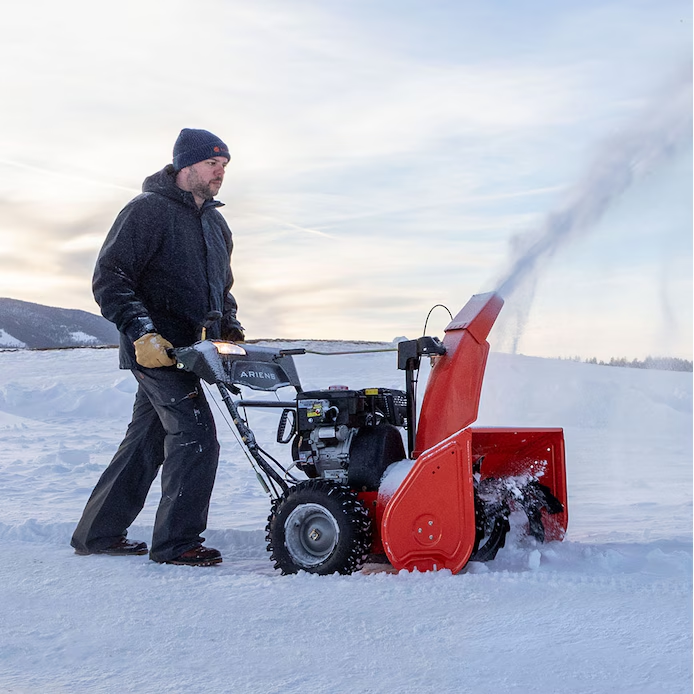
Unlike pushing a lawn mower on a sunny summer day, operating a snow blower requires constant attention and precise control. You're not just steering the machine—you're also managing the clutch levers that control drive and auger engagement.These clutch levers are critical. The drive clutch controls whether your snow blower moves forward or backward. The auger clutch controls whether the spinning auger is engaged and actually throwing snow. You need to be able to grip these levers firmly and release them quickly when necessary.
Here's where worn grips become dangerous: if your hands are slipping because the rubber is worn smooth, or if your fingers are uncomfortable because the grip is cracked and pinching, you might not be able to release those clutch levers as quickly as you need to. And in snow clearing, there are plenty of situations where you need to stop immediately—when you encounter a hidden obstacle, when the chute clogs, or when you need to step away from the machine.
The Cold Makes Everything Worse
Cold weather doesn't do any favors for worn rubber grips. Materials that might seem merely "worn" in moderate temperatures can become downright treacherous when the mercury drops.Rubber naturally loses flexibility in the cold. When your handle grips are already compromised—cracked, hardened, or worn smooth—the cold amplifies every problem. That slightly slippery surface becomes dangerously slick. Those small cracks become larger and more prone to catching on your gloves. And your hands, which are already dealing with reduced sensation from the cold, have an even harder time maintaining a secure grip.
Even with good winter gloves, you're relying on the texture and friction of those handle grips to maintain control. When that texture is gone, your gloves are essentially sliding against smooth, cold rubber or bare metal. It's like trying to hold onto a frozen pipe—not exactly confidence-inspiring when you're controlling a several-hundred-pound machine.
It's Not Just About Safety
While safety is the primary concern, there's another factor worth considering: comfort. Snow clearing is already tough work. It's cold, it's physically demanding, and depending on how much snow you're dealing with, it can take a while.Worn handle grips make an uncomfortable job even worse. Your hands get tired more quickly because you're gripping harder to compensate for the reduced traction. Cracks in the rubber can dig into your hands, even through gloves. And cold, hard rubber transfers temperature much more readily than fresh, properly cushioned grips—meaning your hands get colder faster.
When you're uncomfortable, you're less focused. When you're less focused, you're more likely to make mistakes. And when you're operating powerful equipment, mistakes can have serious consequences.
The Good News: It's an Easy Fix
Here's the great news about worn handle grips: replacing them is genuinely simple. You don't need special tools, advanced mechanical knowledge, or hours of time. In most cases, you can swap out both handle grips in less than fifteen minutes.The typical process involves removing the old grips (which often slide right off, especially if they're already loose), cleaning the handle bars, and sliding on the new grips. Some people use a bit of rubbing alcohol or soapy water to help the new grips slide on more easily—the liquid provides lubrication during installation but evaporates or dries, leaving the grips secure.
And the difference? It's immediately noticeable.
Fresh handle grips have that textured, slightly tacky surface that provides excellent traction, even with gloves on. They're cushioned and comfortable, absorbing vibration from the machine. They fit snugly on the handles, so there's no sliding or twisting. And they make those crucial clutch levers much easier to grip and control.
It's one of those upgrades where you'll wonder why you didn't do it sooner.
When Should You Replace Your Grips?
So how do you know when it's time for new grips? Here are the signs to watch for:As a general rule, even if your grips don't show obvious signs of wear, it's worth replacing them every few years. Rubber degrades over time, even without heavy use, and fresh grips are a relatively inexpensive way to maintain safety and comfort.
The Bottom Line
Handle grips might seem like a minor detail in the grand scheme of snow blower maintenance, but they play a crucial role in keeping you safe and comfortable while you work. Worn grips compromise your control over the machine, make operation uncomfortable, and can be genuinely dangerous in cold, slippery conditions.The good news is that replacing them is quick, easy, and affordable. It's one of those maintenance tasks that provides an immediate, noticeable improvement in how your machine feels to operate. And when you consider that proper control over your snow blower could prevent accidents or injuries, new handle grips aren't just a comfort upgrade—they're a safety investment.
So take a moment to check your grips. If they're looking worn, cracked, or smooth, don't wait. Grab a new set and make the swap before the next snowfall. Your hands—and your safety—will thank you.